Why Do We Rank Everything? The Psychology Behind Tier List Culture
People do not build tier lists only to sort objects. They use rankings to turn opinions into something visible, comparable, and easy to debate. That is why tier list culture keeps spreading from games into anime, sports, food, film, and everyday life.
TierSmith 1.5 min read
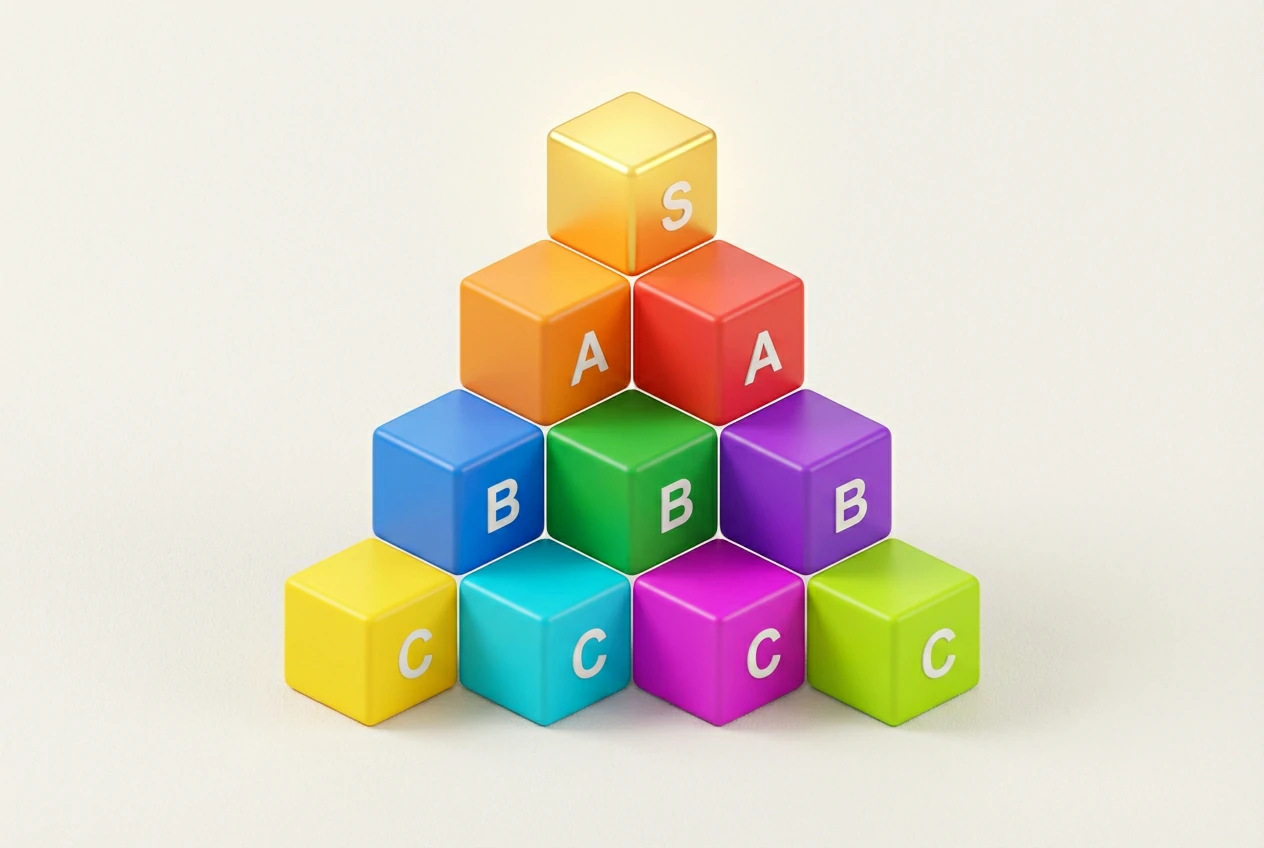
Ranking Creates Fast Cognitive Order
The internet gives us too many choices at once. A tier list reduces that overload by forcing a decision: which items deserve the top row, which belong in the middle, and which ones fall behind? That structure creates quick mental clarity, even when the subject itself is playful.
Tier Lists Turn Opinions into Social Currency
A ranking becomes more interesting the moment other people see it. Posting an "S-tier" claim invites agreement, disagreement, and follow-up rankings. The format works because it makes differences in taste obvious at a glance, which is perfect for fandoms and communities that enjoy debate.
The Format Lowers the Barrier to Participation
You no longer need a design tool to turn an opinion into a shareable visual. A browser-based editor lets anyone build a board, move items around, and export the result as an image. That ease of use is a big reason tier lists have become common outside their original gaming context.
Why Templates Matter
The ranking conversation starts faster when the board already has the right items. That is why topic-specific pages in the template library are useful: they shorten setup time and let people focus on the argument instead of collecting assets.
If you want to test your own hot take, open Make a List for a blank board or start with a ready-made topic from the templates page.