Classic Games
Street Fighter Characters Tier List
Sort your Street Fighter character picks by personal attachment, visual design, series influence, and memorable story moments. Compare each fighter as a single character across appearances, keeping the focus on personality and legacy rather than competitive performance.
Street Fighter Characters comes with preloaded items so you can begin ranking immediately, but the board is still flexible enough to reflect your own criteria.
You can also explore Classic Games templates, or create a blank tier list to keep ranking what you like.
Note: This tier list is for temporary editing. The system template may update, while images and text you add are saved in this browser and can be restored after a refresh or when you reopen the page.
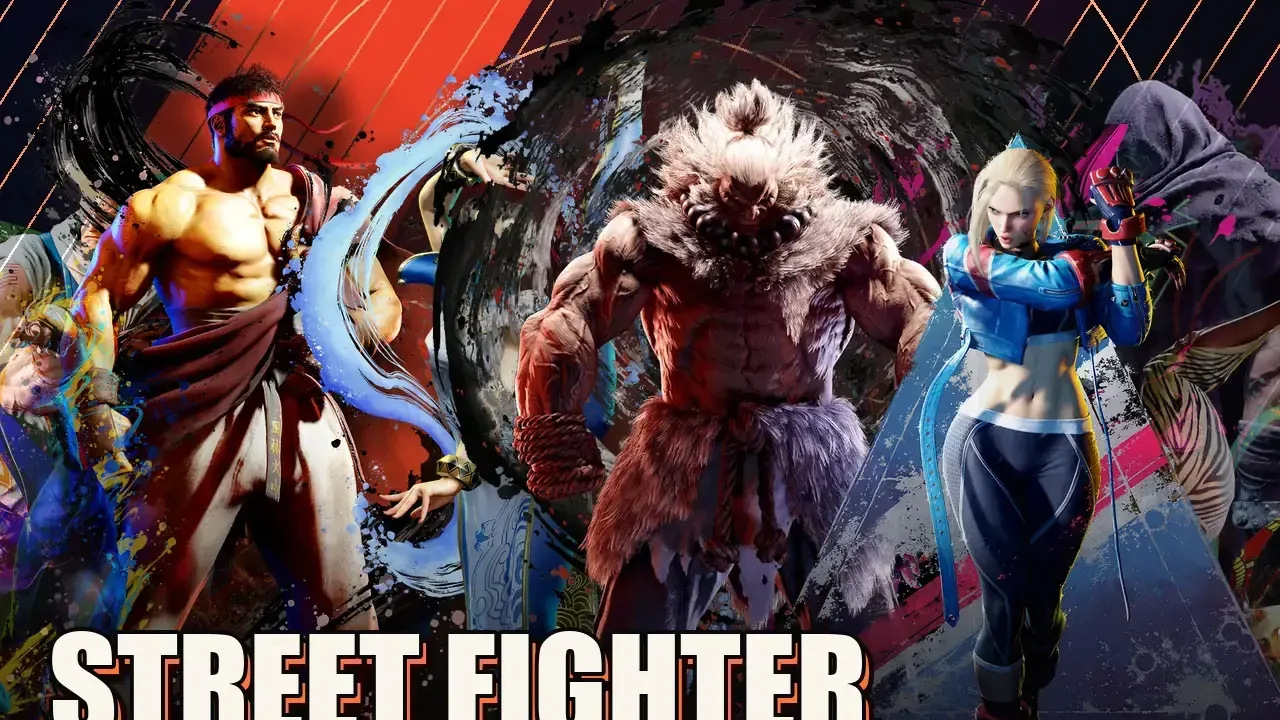
Inside the template
Meet every option in Street Fighter Characters
Start with the characters you most enjoy, then weigh distinctive silhouettes, personality, story relationships, and what each fighter means to your experience of Street Fighter. Judge each character across appearances rather than separating costumes, alternate versions, or EX and Shadow variants. Keep crossover guests outside your selection, and use personal memories or lasting design appeal to break ties instead of match results or competitive strength.
Editorial review: 2026-11-14
-
Ryu
Introduced in Street Fighter, Ryu makes a lifelong search for true strength feel more important than any trophy. His Hadoken and Shoryuken give that dedication a recognizable visual language. Street Fighter 6 presents him after overcoming the Satsui no Hado, allowing his story to move beyond inner conflict. His appeal lies in sincere, persistent self-improvement, though that restraint may feel less colorful than the personalities surrounding him.
Official source -
Ken Masters
Ken Masters debuted alongside Ryu in Street Fighter, but their shared training supports a friendship rather than making them interchangeable personalities. Shoryuken remains a signature technique, while Street Fighter IV gives his family life a concrete role: his wife encourages him to enter the tournament despite his hesitation over their coming child. That tension between personal commitments and martial ambition makes him appealing beyond his familiar rivalry.
Official source -
Chun-Li
Chun-Li entered Street Fighter II as its original roster's only woman, giving her a distinctive place in the series' history. Her high-kicking martial arts remain central to her identity, but Street Fighter 6 adds a quieter appeal through her community kung fu classes and care for Li-Fen. The transition from ICPO agent to teacher makes her memorable as someone whose strength also creates safety and belonging.
Official source -
Guile
Guile's Street Fighter II debut established a character whose Sonic Boom became an enduring part of his identity. His U.S. Air Force background gives him a clear military silhouette, while his friendship with Charlie Nash supplies a personal reason to confront Shadaloo. Street Fighter 6 also emphasizes his family life. That combination makes his stern exterior more engaging: duty, grief, and domestic affection all sit behind the disciplined fighter.
Official source -
Zangief
Introduced in Street Fighter II, Zangief makes professional wrestling unmistakable through his enormous physique and spinning piledrivers. Capcom's character guide emphasizes a useful contrast: the fearsome Red Cyclone is actually friendly and devoted to developing his muscles. His connection with admiring wrestler R. Mika adds warmth to that imposing image. The appeal lies in theatrical physicality paired with genuine enthusiasm, rather than simply looking intimidating.
Official source -
Dhalsim
Dhalsim brought an unusual silhouette to Street Fighter II: a lean yoga master whose limbs stretch far beyond ordinary human proportions. Yoga Fire and Yoga Flame turn his spiritual discipline into deliberately fantastical spectacle. His appeal is the contrast between composed presentation and impossible movement; even among the original cast, his animation makes the series feel less like a conventional martial arts tournament and more like an imaginative character showcase.
Official source -
Blanka
Green skin, electric attacks, and tumbling rolls made Blanka a striking departure from the human martial artists introduced alongside him in Street Fighter II. Capcom describes a childhood jungle survivor who loves his mother, Samantha, giving the wild appearance a distinctly affectionate counterpoint. That combination is his strongest character hook: he can look like a creature from an adventure story while remaining emotionally approachable rather than merely monstrous.
Official source -
E. Honda
E. Honda entered Street Fighter II as a sumo wrestler determined to demonstrate his sport's greatness beyond Japan. His Hundred Hand Slap and flying Sumo Headbutt translate that mission into exuberant, exaggerated movement. His fondness for hot baths and hearty food gives the sporting ambition an everyday warmth. He is especially appealing if you enjoy characters whose distinctive martial tradition supports both visual comedy and sincere personal pride.
Official source -
M. Bison
Representing Street Fighter II's villainous spectacle, M. Bison combines a military silhouette with the unnatural flight of Psycho Crusher. As Shadaloo's leader, he embodies organized cruelty rather than a wandering martial artist's personal ambition. His cap, cape, and imposing posture make that distinction immediately readable. The appeal is theatrical menace: an extravagant antagonist whose psychic attacks turn a criminal mastermind into a striking visual presence.
Official source -
Vega
Introduced in Street Fighter II, Vega makes vanity inseparable from violence. His mask protects the face he considers perfect, while his claw and acrobatic movement transform combat into a sinister performance. That contradiction gives the Spanish Ninja a distinctive appeal: graceful presentation conceals a deeply unpleasant worldview. Whether his narcissism feels fascinating or repellent matters as much as the elegance of his silhouette.
Official source -
Balrog
Super Street Fighter II Turbo presents Balrog as a disgraced heavyweight boxer who sells his fists to M. Bison. Boxing gloves and lunging punches give him a blunt visual identity, without the mysticism surrounding several fellow villains. His appeal lies in that unapologetic roughness: a professional athlete's recognizable equipment repurposed for street violence. The mercenary motivation makes him memorable, even when his aggression is difficult to like.
Official source -
Sagat
The original Street Fighter introduced Sagat as its final opponent, but his history with Ryu gives him more texture than a towering obstacle. Ryu's Shoryuken left the chest scar that makes their rivalry visible, while Sagat developed Tiger Uppercut in response. His eventual departure from Shadaloo adds another reason to appreciate him: wounded pride becomes part of a character capable of growing beyond revenge.
Official source -
Cammy
Introduced in Super Street Fighter II, Cammy pairs a red beret and long blonde braids with the disciplined identity of a Delta Red operative. Her history under Shadaloo's control gives that military image a vulnerable counterpoint: reclaiming her identity matters as much as completing a mission. The contrast between her guarded demeanor and recognizable silhouette offers a strong reason to appreciate her beyond nostalgia.
Official source -
Dee Jay
Music is the organizing idea behind Dee Jay, the Jamaican kickboxer introduced in Super Street Fighter II. He incorporates musical rhythm into his fighting, making his movement feel like an extension of his creative life rather than a separate profession. That connection gives his cheerful presentation a concrete foundation. He is especially appealing if you value characters whose personality and martial identity express the same idea.
Official source -
Akuma
Akuma entered Super Street Fighter II Turbo as a hidden boss and playable character, giving his arrival an aura of discovery. Consumed by the Satsui no Hado, he embodies the danger facing Ryu if martial ambition overwhelms restraint. His appeal lies in that uncompromising contrast: he is not simply another opponent, but a disturbing answer to what pursuing strength without limits might mean.
Official source -
Charlie Nash
Charlie Nash connects Guile's personal history to Street Fighter's larger conflict with Shadaloo. An Air Force lieutenant and one of Guile's closest friends, he is also identified as the originator of the Sonic Boom. His return in Street Fighter V turns a presumed loss into an unsettling reunion with the past. That shift makes him compelling for players drawn to friendship, absence, and unfinished business.
Official source -
Birdie
Birdie brings a grubby street-punk flavor to Street Fighter V, pairing chain-based attacks and headbutts with an appetite that repeatedly undercuts his intimidating appearance. His oversized silhouette and conspicuous chain make him easy to recognize even among the series’ stranger fighters. Whether his food-focused comedy feels endearing or excessive is central to his appeal: he offers a deliberately undignified alternative to disciplined martial-arts heroes.
Official source -
Karin Kanzuki
Karin Kanzuki made her playable series debut in Street Fighter Alpha 3, bringing golden curls, aristocratic confidence, and her family’s distinctive martial arts into the roster. Street Fighter V expands her appeal beyond wealthy-rival theatrics by placing her family against Shadaloo. Her strongest character hook is that tension between boastful superiority and dependable leadership: the attitude can irritate, but it gives her generosity and loyalty more texture.
Official source -
Sakura Kasugano
Introduced in Street Fighter Alpha 2, Sakura Kasugano turns admiration for Ryu into a fighting identity of her own. Her school-uniform look and Ryu-inspired techniques connect everyday youthful enthusiasm with the series’ wandering-warrior ideal. Her rivalry with Karin adds a contrasting personality to that pursuit. The appeal lies less in solemn destiny than in infectious enjoyment: she makes martial-arts ambition feel approachable, personal, and genuinely fun.
Official source -
R. Mika
R. Mika represents Street Fighter Alpha 3’s theatrical side, building her identity around professional wrestling rather than restrained martial-arts mystique. In Street Fighter V, Mic Performance and attacks assisted by her ring partner Nadeshiko turn that identity into visible spectacle. Her appeal depends on enjoying a fighter who treats combat as a performance: the exuberant presentation gives her wrestling persona character beyond the throws themselves.
Official source -
Dan Hibiki
Introduced as a hidden character in Street Fighter Alpha, Dan Hibiki turns martial-arts bravado into comedy through his self-promoted Saikyo style and signature taunts. His quest to avenge his father gives that bluster a personal motive beyond the jokes. For character appeal, the key contrast is between his enormous confidence and exaggerated antics: endearing enthusiasm to some players, deliberately exhausting showmanship to others.
Official source -
Rose
Rose brings an Italian fortune teller’s elegance to Street Fighter Alpha, wielding Soul Power through a flowing scarf rather than presenting herself as a conventional martial artist. Her role as Menat’s teacher adds a generational connection to that identity. Street Fighter V deliberately emphasizes relaxed footwork and graceful movement, making her appealing for composed theatricality and a silhouette whose fashion accessory is also central to the action.
Official source -
Cody Travers
Coming from Final Fight, Cody Travers entered Street Fighter in Street Fighter Alpha 3 and later became Metro City’s mayor in Street Fighter V: Arcade Edition. That journey gives him an unusually concrete connection to the city beyond tournament rivalries. His appeal lies in the contrast between a street-fighting background and civic office: a character whose changing responsibilities provide a distinctive way to revisit his earlier identity.
Official source -
Poison
A returning fighter from Ultra Street Fighter IV, Poison makes her Street Fighter V presence unmistakable through whip-driven movement and extravagant presentation. Her search in Metro City for a new wrestling headliner gives the performance a professional purpose beyond simply seeking another fight. The longer whip makes her gestures part of her silhouette, offering a concrete reason to appreciate her theatrical design—or find its relentless showmanship excessive.
Official source -
Alex
Alex entered the series in Street Fighter III, bringing a brash grappler’s personality and the emphatic Power Bomb throw. Raised and trained by his father’s friend Tom, he has a personal foundation beneath the intimidating physique. His appeal lies in that contrast: the imposing wrestler is also a young fighter finding his direction, giving his blunt confidence more character than a simple musclebound stereotype.
Official source -
Ibuki
Behind Ibuki’s ninja training is a teenager who would rather enjoy ordinary school life. Introduced in Street Fighter III: New Generation, she comes from a secluded Japanese mountain village and is frequently accompanied by her pet tanuki, Don. That tension between demanding missions and everyday wishes makes her distinctive: the appeal is not merely ninja mystique, but the relatable impatience underneath it.
Official source -
Elena
Elena’s long-legged capoeira gives her a flowing silhouette built around sweeping movement rather than a conventional boxing stance. The Kenyan fighter debuted in Street Fighter III: New Generation and brings an upbeat presence to her battles. Her design is especially appealing if movement matters as much as costume: the rhythm and reach of her kicks make her personality readable through the way she fights.
Official source -
Oro
Oro makes extraordinary power look deliberately inconvenient. Debuting in Street Fighter III: New Generation, the elderly hermit fights with one arm; Street Fighter V turns that restraint into a visual joke by placing a pet turtle in his other hand. His orbiting stones reinforce the supernatural identity. The combination of frailty, absurdity, and self-imposed limits makes him a memorable alternative to the solemn martial-arts master.
Official source -
Gill
Gill embodies the stranger mythology of Street Fighter III: New Generation: a secret society leader whose red-and-blue body makes his command of fire and ice immediately legible. His appeal lies in the contrast between serene, godlike presentation and the unsettling ambition to reshape the world. That theatrical distance from an ordinary martial artist makes him memorable, though his messianic grandeur may feel deliberately alienating.
Official source -
Urien
Introduced in Street Fighter III: 2nd Impact, Urien turns sibling resentment into a character identity: he wants to wrest control of the secret society from his older brother Gill. His signature Aegis Reflector gives that domineering personality a striking visual emblem. Street Fighter V adds a pinstriped suit, sharpening the contrast between executive polish and violent arrogance; whether that swagger charms or repels is central to his appeal.
Official source -
Juri Han
Juri Han entered Super Street Fighter IV as a South Korean taekwondo fighter whose artificial eye and spider codename underline a predatory personality. Her hatred of M. Bison and Shadaloo gives her cruelty a personal history without turning her into a conventional hero. The tension between revenge and enjoyment of violence makes her especially distinctive: her provocative menace can be magnetic, or precisely what puts you off.
Official source -
C. Viper
C. Viper brings an espionage thriller flavor to Street Fighter IV, relying on an advanced battlesuit rather than presenting herself as a traditional martial arts purist. Capcom's character guide contrasts her businesslike ruthlessness with quieter moments alongside her daughter Lauren. That divide gives her more texture than the polished operative image alone: the appeal is a professional whose dangerous working life sits beside a recognizably personal attachment.
Official source -
Seth
Introduced as the boss of Street Fighter IV, Seth turns imitation into a character identity: an artificial fighter whose Tanden Engine embodies the pursuit of borrowed power. Street Fighter V: Champion Edition develops that concept through Tanden Install, which copies an opponent’s technique. The contrast between a manufactured body and grandiose ambition makes Seth compelling for fans of unsettling science-fiction villains rather than traditional martial artists.
Official source -
Rashid
Rashid arrived in Street Fighter V with wind powers, parkour-inspired movement, and an enthusiasm for technology that distinguishes him from the series’ solemn martial artists. His flips and rolling attacks make that easygoing personality visible in motion, while the Ysaar whirlwind gives his elemental theme a clear centerpiece. His appeal rests on exuberance and inventive choreography, though that constant bustle may feel excessive if you prefer restrained character designs.
Official source -
Laura Matsuda
Laura Matsuda brings Matsuda Jiu-Jitsu to Street Fighter V, pursuing strong opponents to spread her family style’s reputation. Her outgoing temperament contrasts with the tightly entwined grapples, while the electrical Thunder Clap projectile adds an unmistakable visual signature. That combination gives her more personality than a straightforward submission specialist: her appeal lies in exuberant physicality and family pride, although the showy presentation may not suit every taste.
Official source -
Necalli
Necalli debuted in Street Fighter V as a mysterious fighter whose animalistic attacks reject the elegance of formal martial arts. Culminated Power sends an eruption through the ground, while Torrent of Power changes his hair and temperament, making transformation central to his identity. His appeal is the spectacle of barely contained violence; players who value articulate personalities or grounded fighting traditions may find that feral emphasis less engaging.
Official source -
F.A.N.G
Introduced in Street Fighter V, F.A.N.G turns poison assassination into unsettling comedy. His towering, thin silhouette and billowing sleeves contrast with his enthusiasm for Shadaloo’s sinister research. Calling himself second only to M. Bison adds another layer of theatrical vanity. His appeal rests on that collision of absurd presentation and genuine menace; whether the exaggerated mannerisms delight or irritate you is central to judging this distinctive villain.
Official source -
Kolin
Kolin first appeared in Street Fighter III before becoming playable in Street Fighter V. Gill’s devoted operative combines Systema with ice powers, giving her polished exterior an appropriately chilling edge. Her role in resurrecting and manipulating Charlie Nash makes her more than a mysterious attendant. The contrast between controlled composure and fierce loyalty offers a concrete reason to appreciate her, even if her calculating personality keeps you at a distance.
Official source -
Menat
Menat brings fortune-telling directly into her visual identity in Street Fighter V, where she first appears during Ed’s story. As Rose’s apprentice, she inherits a connection to the series’ mystical side while making a crystal ball the centerpiece of her fighting style. Sending the sphere out and drawing it back gives her movements a distinctive visual rhythm, making her appealing for more than simply her relationship with an established character.
Official source -
Zeku
First seen in Street Fighter Alpha 2 as Guy’s teacher, Zeku becomes playable in Street Fighter V with a striking transformation between older and younger forms. His Bushinryu background gives that spectacle a lineage rather than leaving it as a visual gimmick. The appeal lies in watching one ninja embody contrasting ages and movement styles, while his search for a new fighting identity adds personality beyond the familiar wise-master role.
Official source -
Falke
Introduced in Street Fighter V: Arcade Edition, Falke channels Psycho Power through her staff, Harmony, turning a polearm into an unusual projectile weapon. Her escape from Shadaloo with Ed gives their sibling-like bond an emotional foundation beyond matching powers. The combination of precise staff movements and a survivor seeking others to help makes her appealing if you value understated characterization over theatrical swagger.
Official source -
Ed
Ed became playable in Street Fighter V, combining boxing with Psycho Power rather than accepting his intended role as M. Bison’s replacement body. Street Fighter 6 emphasizes his footwork, flicker punches, and energy tendrils. His effort to help fellow experiment survivors gives the rebellious attitude a sympathetic purpose, making him interesting for players who enjoy characters struggling to define themselves outside a villain’s legacy.
Official source -
Abigail
Originally a Final Fight boss, Abigail joined Street Fighter V with enormous proportions, tires around his arms, and an obsession with cars that extends to making engine noises. His Nitro Charge turns that automotive fixation into physical comedy. The contrast between intimidating bulk and ridiculous enthusiasm is his defining charm, while his Metro City roots provide a tangible connection to Capcom’s intertwined street-level stories.
Official source -
G
Calling himself President of the World, G debuted in Street Fighter V: Arcade Edition with speeches, Earth-derived energy, and spectacular magma attacks. Rashid helps spread his message through social media, giving his grandiose persona a distinctly modern stage. The mixture of public showmanship and unexplained origins makes him memorable: you can enjoy the absurd confidence while remaining unsure what lies beneath the presidential performance.
Official source -
Lucia
Lucia brings a detective’s street-level perspective to Street Fighter V: Arcade Edition. Her Metro City accent, flaming kicks, and Fire Spinner distinguish her from the series’ more ceremonial martial artists. Investigating a possible plot against Mayor Cody gives her an appealingly practical story hook. If everyday civic grit appeals more than world-conquering drama, her energetic police-officer identity offers a memorable change of pace.
Official source -
Luke
Introduced as Street Fighter V’s final playable addition, Luke bridges that game and Street Fighter 6. His military background and mixed martial arts contrast with a relaxed enthusiasm for video games and junk food. Flash Knuckle gives his punches a recognizable signature. That combination makes him appealing as a contemporary, approachable fighter, especially if you prefer casual confidence to the solemn discipline of traditional martial-arts heroes.
Official source -
Jamie Siu
Jamie Siu debuts in Street Fighter 6 as a self-appointed Chinatown peacekeeper who admires Yun and Yang. His fusion of drunken boxing and breakdancing gives traditional martial-arts imagery a distinctly urban rhythm. The Devil Inside, performed by drinking from his gourd, makes that concept visible in motion. His appeal lies in this coherent mix of community loyalty, dancer’s swagger, and theatrical movement rather than a conventional wandering-warrior persona.
Official source -
Kimberly Jackson
Kimberly Jackson arrives in Street Fighter 6 as Guy’s enthusiastic, self-invited student of Bushinryu. Spray-can bombs, colorful smoke, sneakers, and a portable cassette player turn her ninja identity into a lively collision of tradition and eighties pop culture. Her early college graduation adds a prodigy’s curiosity to the exuberance. She stands out for reinterpreting an established martial lineage through personal tastes rather than simply copying her teacher’s image.
Official source -
Manon Legrand
Introduced in Street Fighter 6, Manon Legrand combines a world champion judoka’s credentials with a supermodel’s pursuit of beauty. Her ballet-inflected movement makes throws feel like choreographed performances rather than straightforward displays of muscle. That fusion gives her a distinct character hook: elegance and physical authority reinforce each other. Her appeal depends on whether you enjoy that theatrical confidence and the transformation of combat into a personal runway.
Official source -
Marisa
Marisa brings an Italian jewelry designer’s eye for beauty to Street Fighter 6, her debut game, while drawing inspiration from ancient warriors. Her enormous frame and forceful Gladius punch make that fascination immediately readable. What makes her more than a muscle-bound spectacle is the contrast between delicate craftsmanship and exuberant physicality. She is especially appealing if you like characters whose enthusiasm makes intimidating strength feel welcoming rather than cold.
Official source -
JP
JP debuted in Street Fighter 6 with the public identity of an international NGO leader associated with investment projects and Nayshall’s prosperity. That respectable presentation contrasts with uncanny techniques such as Torbalan, which sends out doubles. Even his affection for his cat, Cybele, adds an unexpectedly domestic detail. His appeal lies in this dissonance: polished institutional authority feels unsettling beside attacks that seem anything but ordinary.
Official source -
Lily Hawk
Lily Hawk enters the series in Street Fighter 6 as a Thunderfoot tribe member who follows the guidance of nature spirits. Her paired war clubs and wind-swept movements give her small silhouette surprising visual force. Condor Dive and her spinning throws connect her to the tribe’s established fighting traditions. The memorable contrast is between an approachable young traveler and the sweeping, larger-than-life motion of her attacks.
Official source -
A.K.I.
Introduced as a playable fighter in Street Fighter 6, A.K.I. turns devotion to her master F.A.N.G into unsettling theater. Her extending nails, serpentine movement, and poison attacks give that obsession a distinctive physical language. The contrast between her elegant, snakeskin-inspired clothing and predatory contortions makes her memorable: appealing if you enjoy elaborate villain design, deliberately uncomfortable if you prefer warmer personalities.
Official source -
Ingrid
Ingrid entered Street Fighter through Street Fighter Alpha 3 MAX after debuting in Capcom Fighting Evolution. Her later Street Fighter 6 appearance develops her otherworldly identity through interdimensional clothing and sun-powered cosmic attacks. That distance from the series’ grounded martial artists is precisely her attraction—or her sticking point. She offers a conspicuously fantastical presence rather than another variation on a familiar fighting-school rivalry.
Official source -
Yasmine
Yasmine debuts in Street Fighter 6 with Filipino Eskrima, a karambit knife, and a search for her missing older brother. Having learned alongside him from their grandfather, she gives her martial art a personal family connection rather than merely a visual theme. Her quick-footed knife work supplies immediate recognition, while that interrupted sibling bond offers a sympathetic reason to care about her journey.
Official source -
Arjun
A Street Fighter 6 newcomer, Arjun is a former Indian police officer framed after his partner’s murder. His breathing techniques become visible spectacle through rings of air and earth-raising force, connecting bodily discipline with an imposing presence. The contrast between controlled breathing and a revenge-driven search for justice gives him a concrete dramatic hook, especially for players drawn to wounded, forceful protagonists.
Official source
Customize this board without losing the structure that makes it useful
Street Fighter Characters comes with preloaded items so you can begin ranking immediately, but the board is still flexible enough to reflect your own criteria.
Related rankings and guides