Technology
AI Software Ranking Tier List Template
Rank popular AI software and tools by output quality, usefulness, ease of use, features, value, or workflow fit.
15 preloaded items
Technology
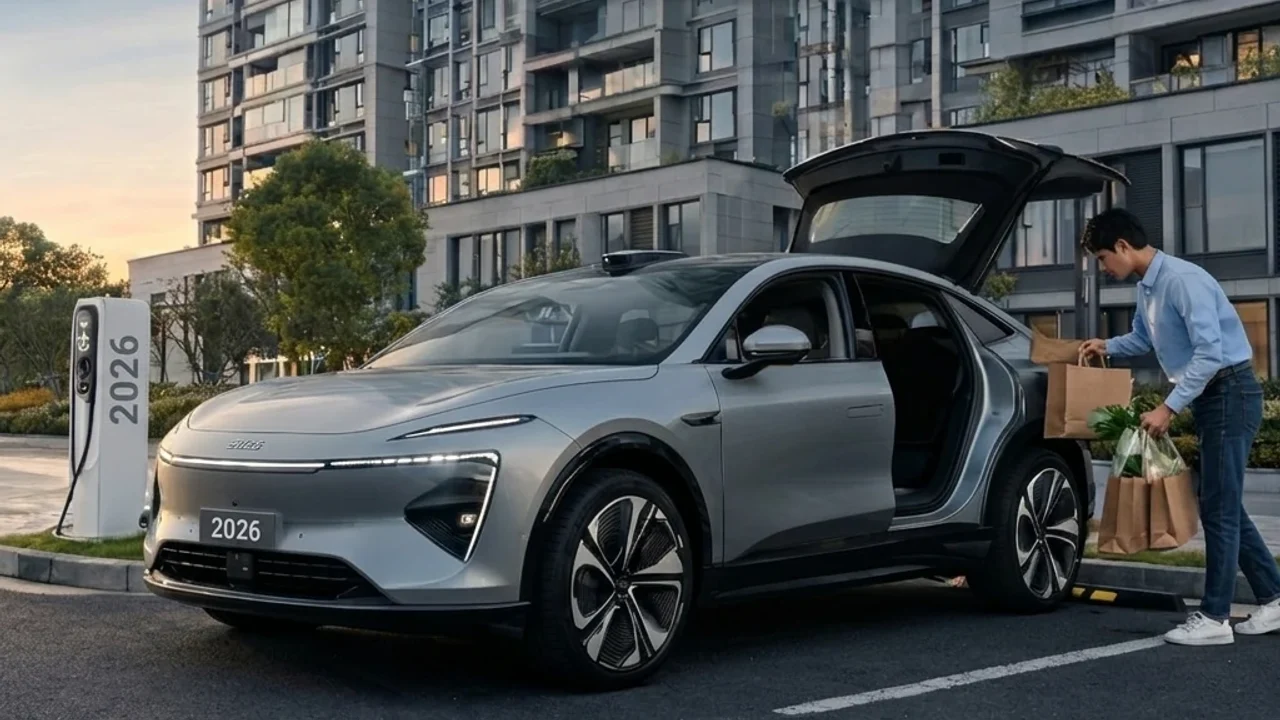
Rank electric vehicle brands by range, charging, software, performance, design, reliability, value, or ownership appeal.
Electric Vehicle Ranking comes with preloaded items so you can begin ranking immediately, but the board is still flexible enough to reflect your own criteria.
Note: This tier list is for temporary editing. The system template may update, while images and text you add are saved in this browser and can be restored after a refresh or when you reopen the page.
Inside the template
These 15 brands represent different answers to the same EV problem: battery integration, charging speed, software quality, driving character, packaging, and ownership support. Decide whether you value engineering efficiency, premium finish, adventure utility, or a mature charging ecosystem before ranking the badge.
Editorial review: 2026-07-24
Audi's e-tron range translates the brand's quiet cabins, restrained design, and all-weather confidence into electric form. It belongs high for finish and familiarity; efficiency and software polish are the sharper comparison points.
Official sourceBMW's electric lineup keeps driver involvement and familiar cabin controls in view instead of treating an EV as a rolling screen. The broad i-series makes it easy to rank, but price, options, and real-world range still separate individual models.
Official sourceBYD combines large-scale vehicle production with in-house battery expertise, most visibly through its LFP Blade Battery. Vertical integration helps value and speed of rollout; interface refinement and market-specific support deserve separate scrutiny.
Official sourceFord approaches EVs through familiar use cases: the Mustang Mach-E for a crossover audience and the F-150 Lightning for truck work. That mainstream instinct is valuable, while charging consistency and the pace of its EV roadmap remain fair ranking questions.
Official sourceHyundai's dedicated E-GMP platform gives models such as IONIQ 5 and IONIQ 6 fast 800-volt charging, distinctive design, and efficient packaging. It is a strong all-round case; software behavior and dealer experience can matter more than the specification sheet suggests.
Official sourceKia shares E-GMP's fast-charging foundation but gives it a more practical, design-forward range from EV6 to three-row EV9. It earns points for packaging and value; trim pricing and interface details decide whether that advantage holds.
Official sourceLucid built its reputation on the Air's exceptional efficiency, long-range engineering, compact drive units, and genuinely spacious luxury cabin. The technology is top-tier; company scale, service reach, and price make ownership a more complicated score.
Official sourceMercedes-Benz brings ride comfort, cabin theatre, safety systems, and a deep luxury network to its electric models. The experience can feel special, though weight, price, and screen-heavy controls are legitimate reasons to rank individual EQ models differently.
Official sourceNIO stands apart through premium cabins, connected services, and a battery-swap network that treats replenishment as infrastructure rather than only fast charging. That idea is compelling where the network exists; geography is inseparable from the ranking.
Official sourcePolestar mixes Scandinavian restraint, performance tuning, and a Google-based interface in cars that feel more like design objects than anonymous appliances. The clarity is appealing; lineup depth, rear-seat packaging, and service access vary by model and market.
Official sourcePorsche's Taycan proves an EV can deliver precise steering, repeatable performance, strong brakes, and very fast high-voltage charging without losing brand character. The trade is straightforward: exceptional dynamics at a price and practicality level few buyers call ordinary.
Official sourceRivian designs EVs around adventure rather than adapting a conventional luxury car: R1T and R1S combine clever storage, off-road ability, useful software, and serious power. Price, repair reach, and company scale are the counterweight to that originality.
Official sourceTesla set the modern benchmark for efficient powertrains, route-aware software, over-the-air updates, and an integrated Supercharger experience. Its ecosystem is hard to ignore; cabin minimalism, service quality, and build consistency make the ranking more personal than the sales numbers imply.
Official sourceVolkswagen's ID family aims at the difficult middle of the market: practical hatchbacks, crossovers, and vans built at real volume. Space and everyday usability are persuasive; early software lessons and uneven regional lineups remain part of the brand's EV story.
Official sourceVolvo frames electrification through safety, calm Scandinavian cabins, family practicality, and a lower-impact materials story. Models such as EX30 and EX90 cover very different needs; software rollout and pricing determine whether the clean design feels effortless.
Official sourceElectric Vehicle Ranking comes with preloaded items so you can begin ranking immediately, but the board is still flexible enough to reflect your own criteria.
Technology
Rank popular AI software and tools by output quality, usefulness, ease of use, features, value, or workflow fit.
15 preloaded items
Technology
Rank air conditioner brands by cooling performance, efficiency, reliability, noise, service, value, or personal experience.
14 preloaded items
Technology
Rank car brands by design, performance, reliability, technology, comfort, value, or your personal ownership experience.
52 preloaded items
Technology
Compare foldable phones by overall power, flagship potential, durability, camera capability, battery performance, software experience, and form-factor appeal. Rank established devices alongside upcoming, rumored, or concept entries according to the standards that matter most to you.
16 preloaded items