Technology
AI Software Ranking Tier List Template
Rank popular AI software and tools by output quality, usefulness, ease of use, features, value, or workflow fit.
15 preloaded items
Technology
Rank smartphone brands by hardware, software, cameras, ecosystem, value, reliability, or your overall preference.
Phone Ranking comes with preloaded items so you can begin ranking immediately, but the board is still flexible enough to reflect your own criteria.
Note: This tier list is for temporary editing. The system template may update, while images and text you add are saved in this browser and can be restored after a refresh or when you reopen the page.
Inside the template
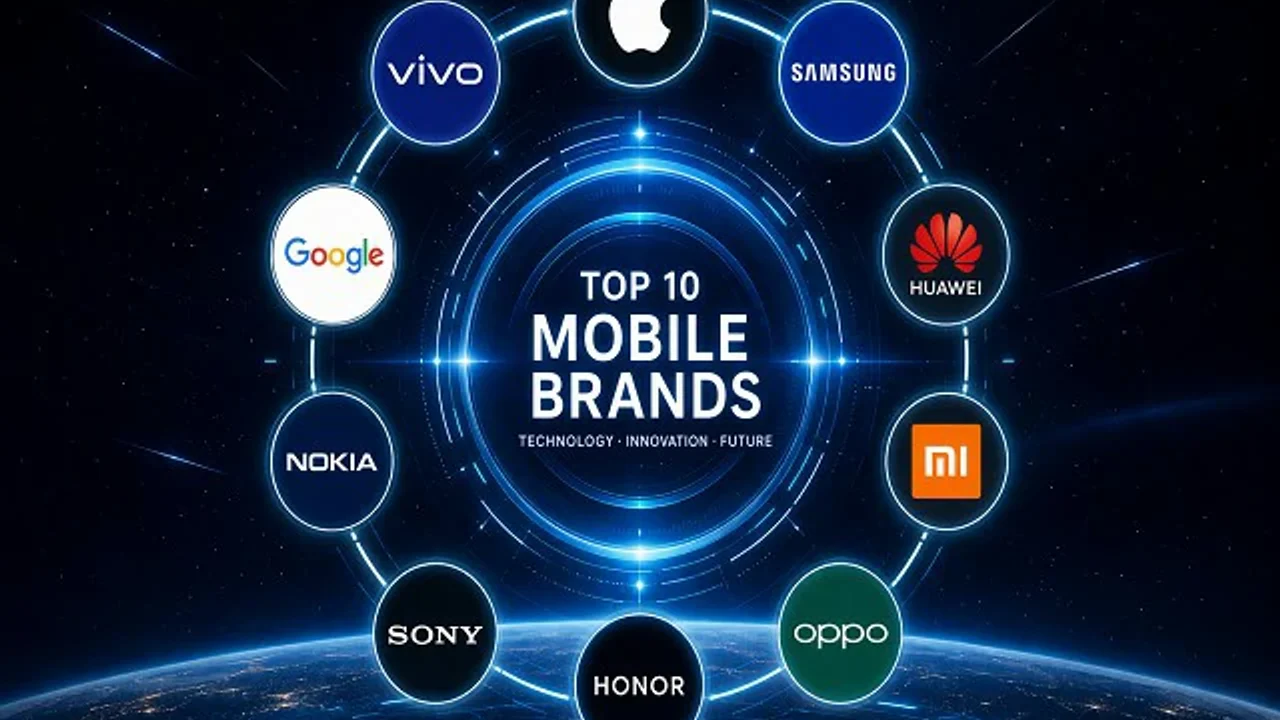
This list compares ten phone brands with very different priorities: polished ecosystems, camera hardware, Android freedom, battery value, or a premium niche. Rank the experience you would actually recommend, because a brand's best flagship and its everyday lineup can tell two different stories.
Editorial review: 2026-07-24
Apple's advantage is the whole loop: long software support, tight hardware integration, strong video, and an ecosystem that makes switching devices unusually easy. The premium is real, so value and repairability can pull it down in a practical ranking.
Official sourceGoogle's Pixel line treats computational photography, clean Android, and timely features as the product's center of gravity. It is an appealing software-first choice, while charging speed, regional availability, and hardware consistency deserve a closer look.
Official sourceHONOR has made thin hardware, bright displays, fast charging, and increasingly capable cameras central to its comeback. The hardware-to-price story is persuasive, though software polish and update confidence can vary by market.
Official sourceHuawei still stands out for industrial design, camera hardware, and a willingness to build its own mobile stack under restrictions. That independence is a strength for some users and a serious app-ecosystem trade-off for others.
Official sourceXiaomi is strongest when aggressive specifications, large batteries, and fast charging meet a competitive price. Its range covers nearly every budget, but the breadth also means software feel, camera tuning, and build quality need model-by-model judgment.
Official sourceNokia's modern phone story leans on clean Android, sturdy design, repair-minded ideas, and the trust of a familiar name. It is rarely the performance leader, but durability and simplicity can matter more than benchmark peaks.
Official sourceOPPO makes fast charging, distinctive portrait photography, and polished hardware easy to notice across its range. Its best models feel complete, while software support, preinstalled apps, and regional lineups deserve a realistic ownership check.
Official sourceSamsung combines one of Android's broadest lineups with excellent displays, long support, foldables, and a mature accessory ecosystem. The range is a strength, but duplicated models and heavy software can make the value story less clear.
Official sourceSony's Xperia phones target people who value a tall display, manual camera control, creator tools, headphone features, and a restrained interface. That focus feels special rather than mass-market, but price and limited availability narrow the audience.
Official sourcevivo has built a clear identity around portrait cameras, fast charging, slim hardware, and strong displays, especially in its upper midrange and flagship lines. It can be a camera-first value pick, though software preferences and market availability matter.
Official sourcePhone Ranking comes with preloaded items so you can begin ranking immediately, but the board is still flexible enough to reflect your own criteria.
Technology
Rank popular AI software and tools by output quality, usefulness, ease of use, features, value, or workflow fit.
15 preloaded items
Technology
Rank air conditioner brands by cooling performance, efficiency, reliability, noise, service, value, or personal experience.
14 preloaded items
Technology
Rank car brands by design, performance, reliability, technology, comfort, value, or your personal ownership experience.
52 preloaded items
Technology
Rank electric vehicle brands by range, charging, software, performance, design, reliability, value, or ownership appeal.
15 preloaded items